

There’s something deeply comforting about a bowl of oatmeal—but let’s be honest, not all oatmeal lives up to the cozy dream. Too thick, too watery, or just plain bland can turn breakfast into a chore. The good news? Creamy, delicious oatmeal is easy once you know a few simple tricks.
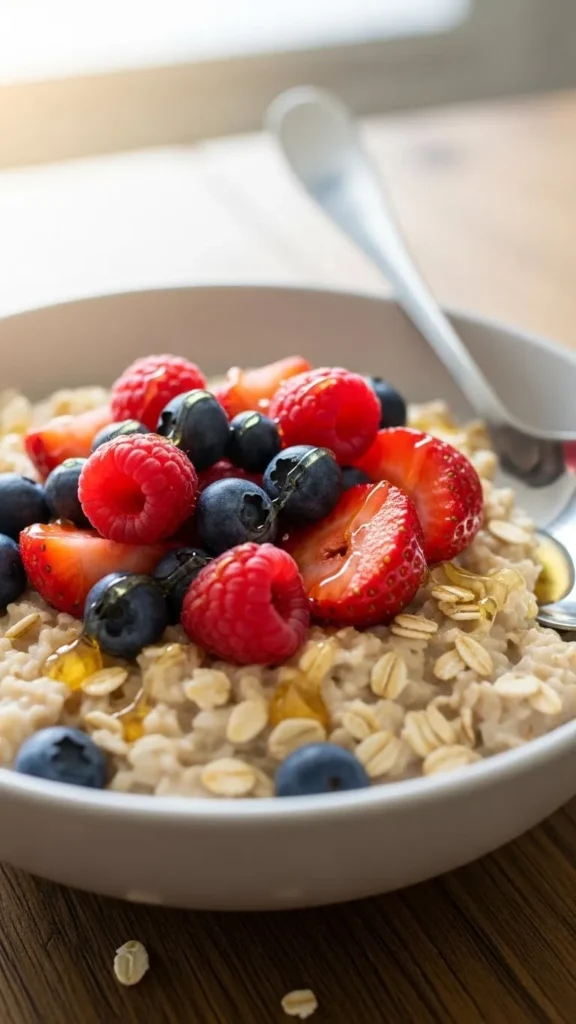
Whether you’re cooking for busy weekdays or slow weekend mornings, this guide will help you turn basic oats into a breakfast you genuinely look forward to.
Choose the Right Oats for Creaminess
Not all oats behave the same in the pot. The type you choose makes a huge difference in texture.
Best options for creamy oatmeal:
- Rolled oats: The perfect balance of creamy and tender. Great for everyday oatmeal.
- Steel-cut oats: Thicker, heartier, and extra creamy when cooked slowly.
- Quick oats: Soft and smooth, but can turn mushy if overcooked.
Less ideal:
- Instant oats often lack texture and depth, even when prepared carefully.
If you want creamy oatmeal without babysitting the stove, rolled oats are your best starting point.
Get the Liquid Ratio Just Right
One of the most common oatmeal mistakes is using too much—or too little—liquid.
A good rule of thumb:
- Rolled oats: 1 part oats to 2 parts liquid
- Steel-cut oats: 1 part oats to 3–4 parts liquid
For extra creaminess, try mixing liquids:
- Half milk, half water
- Dairy-free milk paired with water for balance
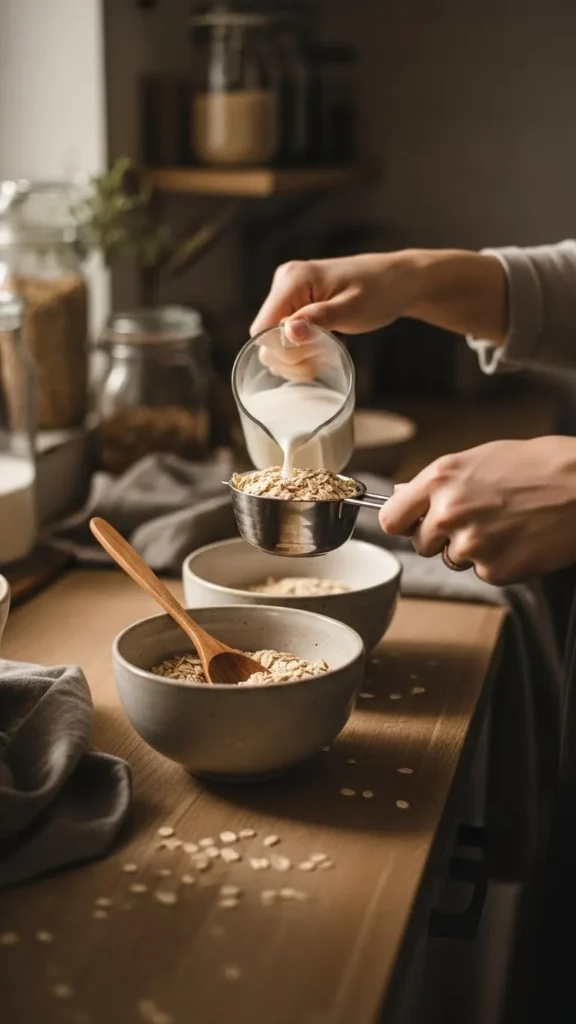
This approach keeps oatmeal rich without feeling heavy.
Cook Low and Slow (Patience Pays Off)
Creamy oatmeal doesn’t come from rushing.
Why slow cooking works:
- Oats release starch gradually
- Liquid absorbs evenly
- Texture stays smooth instead of gluey
Stovetop tip:
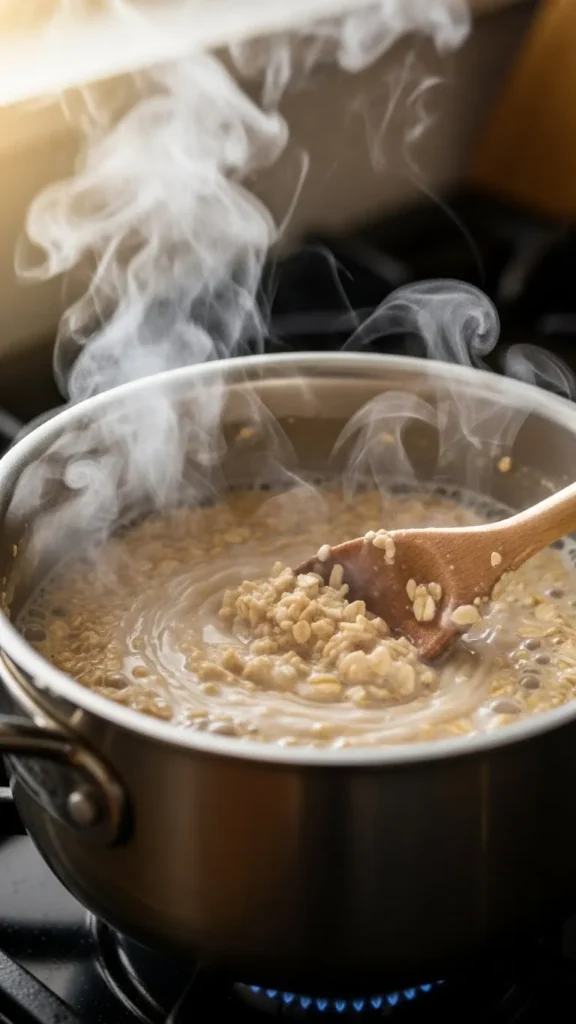
- Bring liquid to a gentle simmer
- Stir in oats
- Lower heat and cook slowly, stirring every 30–60 seconds
If you’re short on time, quick oats can still be creamy—just remove them from heat slightly early and let them thicken as they rest.
Stir Strategically for a Smooth Texture
Stirring isn’t just busy work—it controls texture.
- Stir occasionally, not constantly
- Scrape the bottom to prevent sticking
- Stir more frequently toward the end of cooking
This helps release natural starches that give oatmeal its signature creaminess.
Boost Creaminess with Simple Add-Ins
You don’t need fancy ingredients to make oatmeal luxurious.
Creamy boosters to stir in at the end:
- A splash of milk or plant-based milk
- A spoon of yogurt or coconut cream
- Nut or seed butter for richness
Naturally thickening options:
- Mashed banana
- Applesauce
- Finely grated apple
Add these after cooking for the smoothest results.
Layer Flavors Instead of Dumping Toppings
Great oatmeal tastes balanced, not overloaded.
Start with flavor in the base:
- Pinch of salt (this is essential)
- Cinnamon or vanilla extract
- Gentle sweetness from maple-style syrup or honey
Then add texture on top:
- Fresh or cooked fruit
- Chopped nuts or seeds
- Toasted coconut flakes

This layering keeps every bite interesting.
Make It Ahead Without Losing Creaminess
Oatmeal can be meal-prep friendly if you store it right.
For make-ahead oatmeal:
- Slightly undercook the oats
- Store with extra liquid mixed in
- Reheat gently with a splash of milk
Steel-cut oats and baked oatmeal styles hold up especially well for multiple days.
Fix Common Oatmeal Problems Fast
Even mistakes are easy to fix.
- Too thick? Stir in warm milk or water.
- Too thin? Simmer uncovered for 1–2 minutes.
- Bland? Add a pinch of salt and a touch of sweetness.
- Gluey texture? Next time, lower the heat and stir less.
Oatmeal is forgiving—you’re never far from fixing it.
Turn Oatmeal into a Breakfast You Love
Creamy oatmeal isn’t about complicated steps. It’s about choosing the right oats, using the right liquid, and letting time do the work. Once you get the basics down, oatmeal becomes a blank canvas you can customize endlessly.
Save this guide for your next morning routine—and enjoy oatmeal that finally feels as good as it looks.

Leave a Reply