

Starting your day with a breakfast that’s both low in calories and satisfying might feel like a balancing act. How do you stay full without overloading on sugar or fat? The good news: with a few smart swaps, ingredient tweaks, and flavor boosts, you can create meals that keep hunger at bay and taste amazing.
Let’s dive into ways to make your low-calorie breakfasts not just healthy, but truly filling.
Prioritize Protein First
Protein is your secret weapon for feeling full longer. It slows digestion and stabilizes blood sugar, which helps prevent mid-morning cravings.
Ideas to add protein to breakfast:
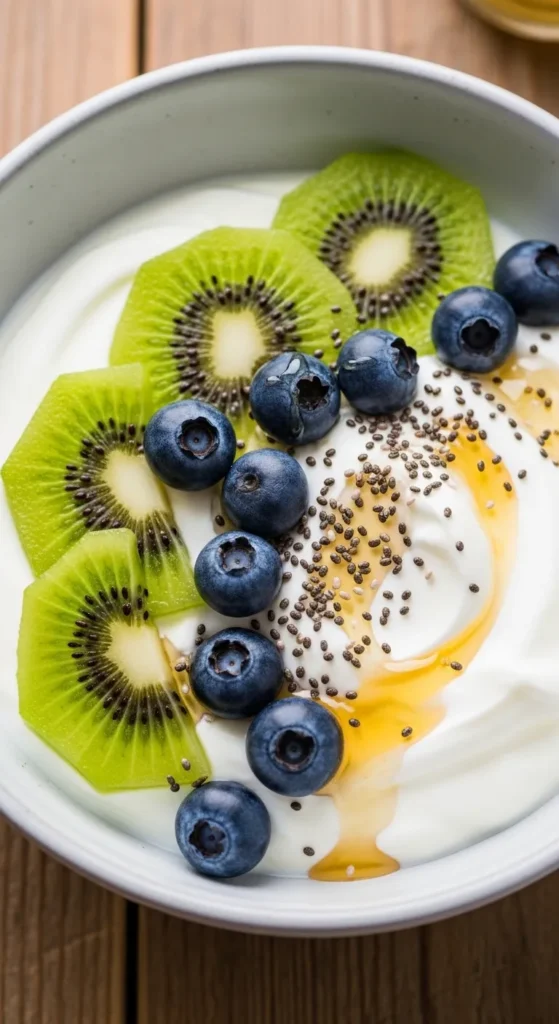
- Greek yogurt or skyr – higher in protein than regular yogurt. Top with fruit or a sprinkle of granola.
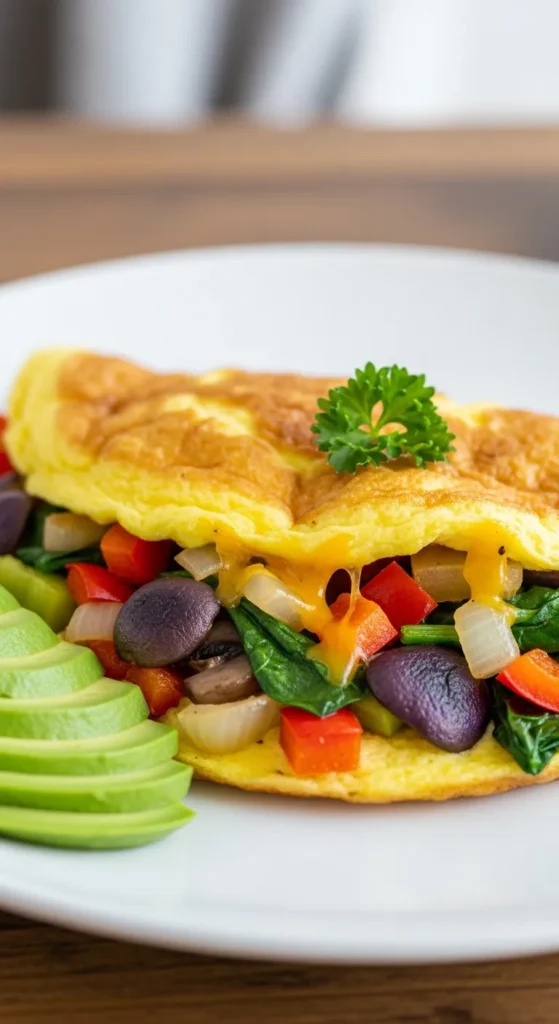
- Eggs – boiled, scrambled, or poached; they’re versatile and low-calorie.
- Cottage cheese – creamy and satisfying; pair with cucumber, tomato, or fruit.
- Plant-based protein – tofu scramble or protein-enriched smoothies.
Tip:
If you’re making smoothies, toss in a scoop of protein powder or a spoonful of nut butter. It adds staying power without a ton of calories.
Bulk Up With Fiber-Rich Foods
Fiber is another key to satiety. Foods rich in fiber expand in your stomach, making you feel full without adding many calories.
High-fiber options for breakfast:
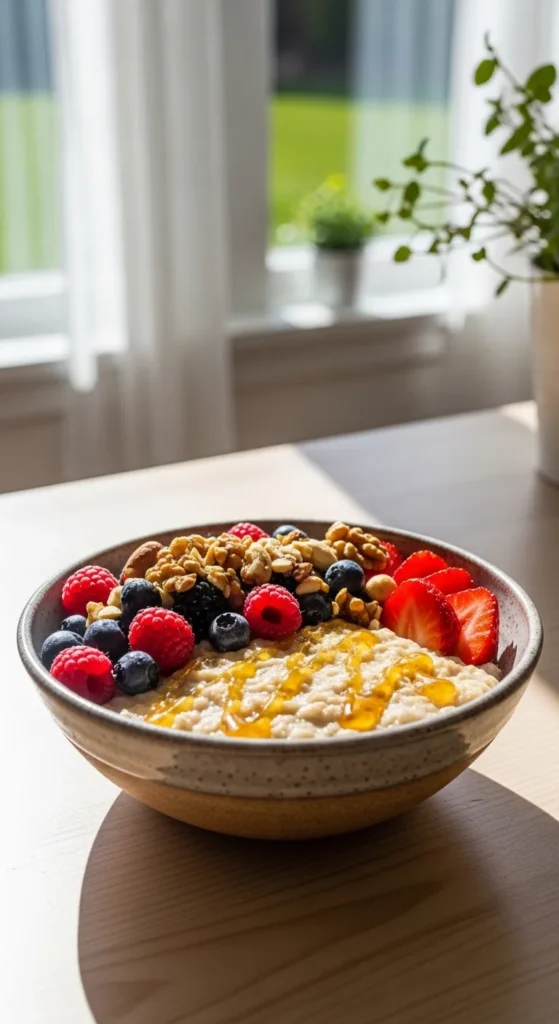
- Oats – oatmeal or overnight oats are classic choices. Add fruit and seeds for extra fiber.
- Vegetables – bell peppers, spinach, or mushrooms work beautifully in omelets or scrambles.
- Whole grains – whole-grain toast, wraps, or English muffins.
Quick tip:
Add ground flaxseeds or chia seeds to oatmeal or smoothies—they’re tiny but pack a fiber punch.
Healthy Fats Keep You Satisfied
Healthy fats slow digestion and enhance flavor, which makes a meal feel more indulgent. Don’t shy away from them in low-calorie breakfasts.
Good sources of breakfast-friendly fats:
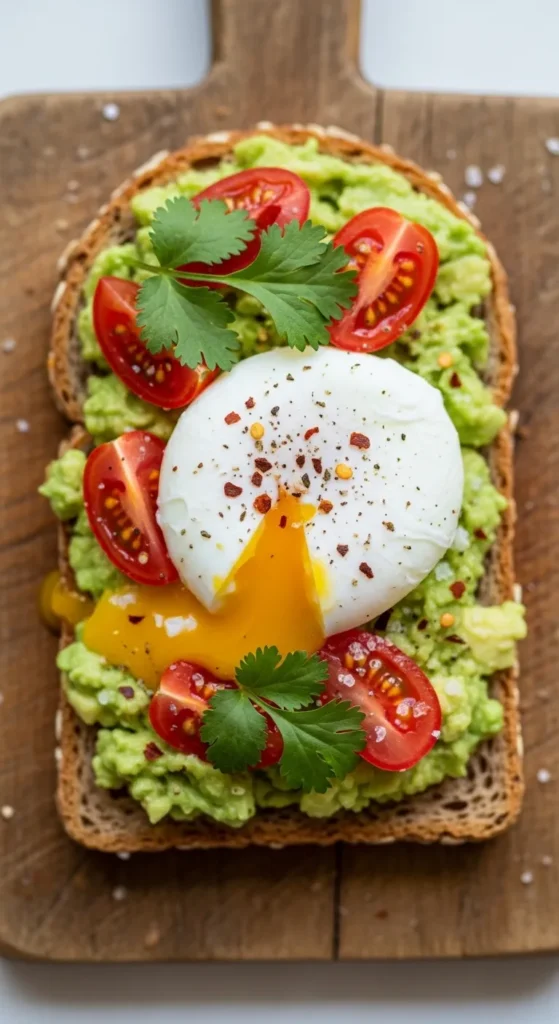
- Avocado – mashed on toast or diced in a salad.
- Nuts and seeds – sprinkle on yogurt, oatmeal, or smoothie bowls.
- Nut butters – almond or peanut butter, in moderation, adds creaminess and protein.
Tip:
Stick to small portions—about a tablespoon of nut butter or a quarter of an avocado—to keep calories in check while still getting satiety.
Make Smart Ingredient Swaps
You can drastically reduce calories without losing flavor by making simple ingredient swaps.
Examples:
- Swap full-fat milk for unsweetened almond or oat milk in oatmeal and smoothies.
- Use zucchini or cauliflower to bulk up pancakes or muffins.
- Swap sugar for fruit puree or mashed banana to naturally sweeten dishes.
- Opt for air-popped popcorn or rice cakes as a low-calorie crunch.
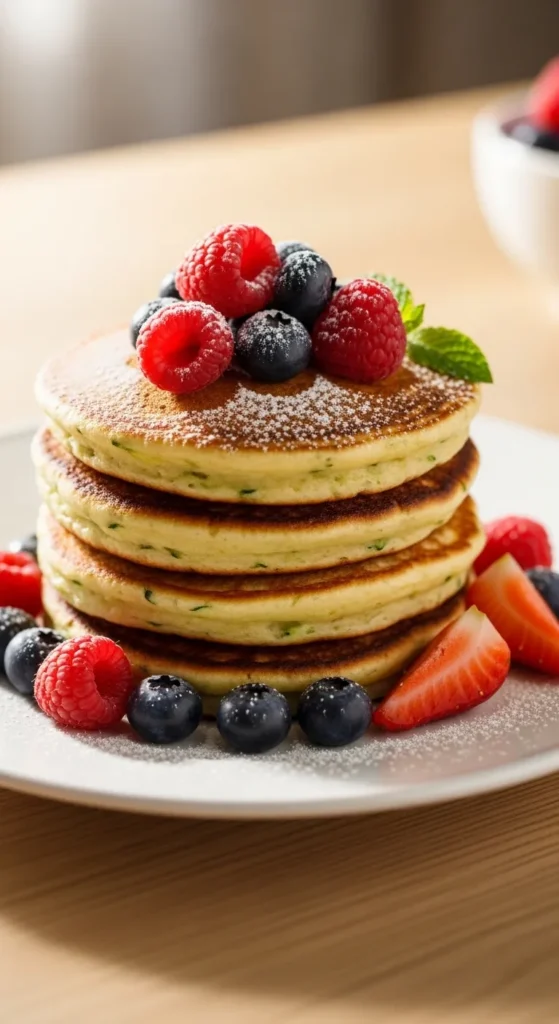
These swaps not only cut calories but also add extra nutrients, helping your breakfast do double duty.
Include Volume With Low-Calorie, High-Water Foods
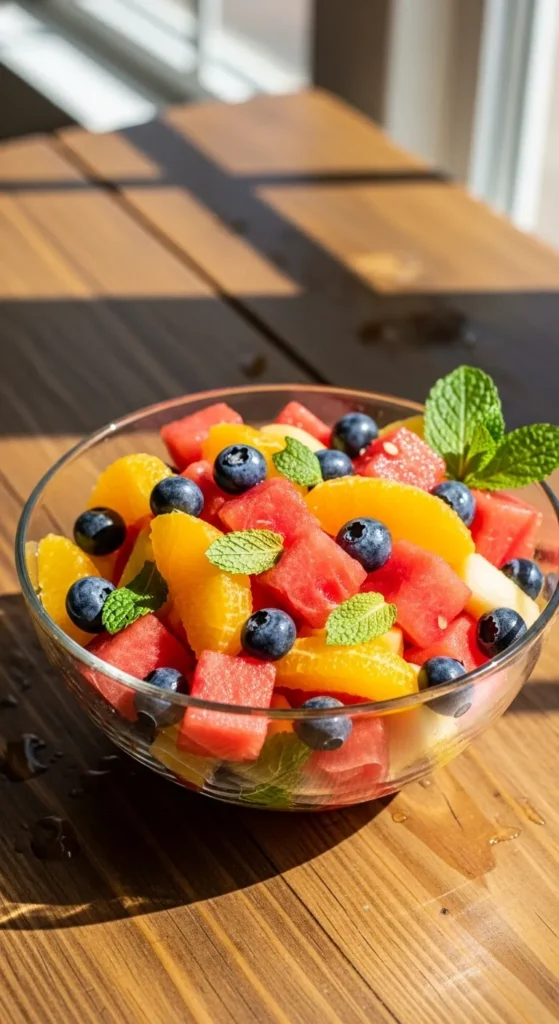
Foods high in water content add bulk and help you feel full faster. These are perfect for low-calorie breakfasts that still satisfy.
Examples:
- Fresh fruit like watermelon, oranges, or berries.
- Veggies like spinach, cucumber, or bell peppers in scrambles or wraps.
- Soups or broths for a light morning option (yes, savory breakfasts are possible!).
Pro tip:
Pairing high-water foods with protein ensures you stay full even longer.
Plan Your Portions
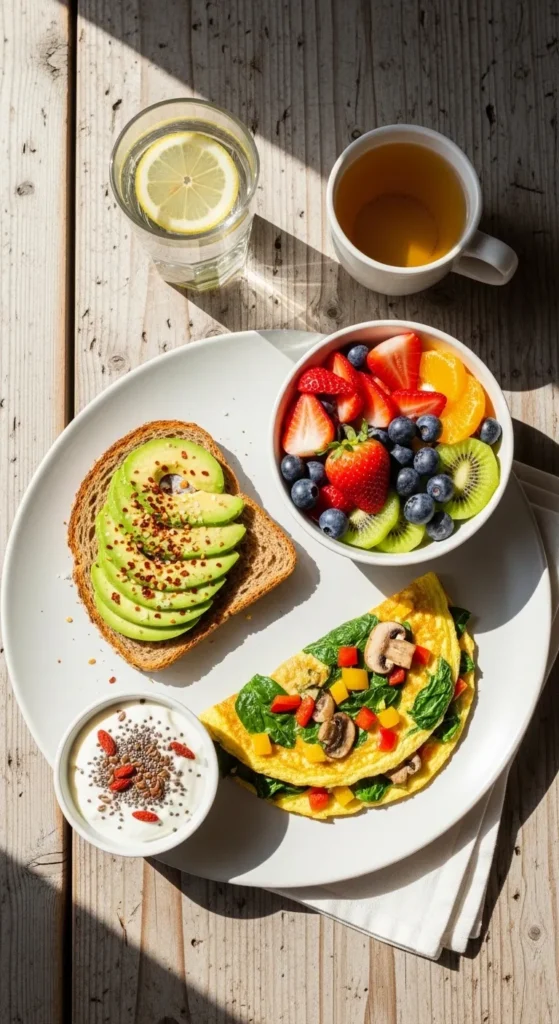
Even healthy breakfasts can leave you hungry if portions are too small. Balancing protein, fiber, and healthy fats in the right portions keeps calories low while making your stomach feel satisfied.
- Visual guide: Half your plate with vegetables or fruit, a quarter with protein, and a small quarter with healthy fats.
- Use smaller plates or bowls to prevent overeating while maintaining a sense of fullness.
- Drink water alongside your meal—it helps fill your stomach and kickstarts digestion.
Takeaway
Low-calorie doesn’t have to mean “unsatisfying.” By focusing on protein, fiber, healthy fats, and smart ingredient swaps, you can craft breakfasts that fill you up and keep you energized. Mix and match the tips above to create a breakfast that’s both nourishing and indulgent in all the right ways.
Save this guide and try out a few combinations tomorrow morning—you’ll never dread a “low-calorie” breakfast again!

Leave a Reply