

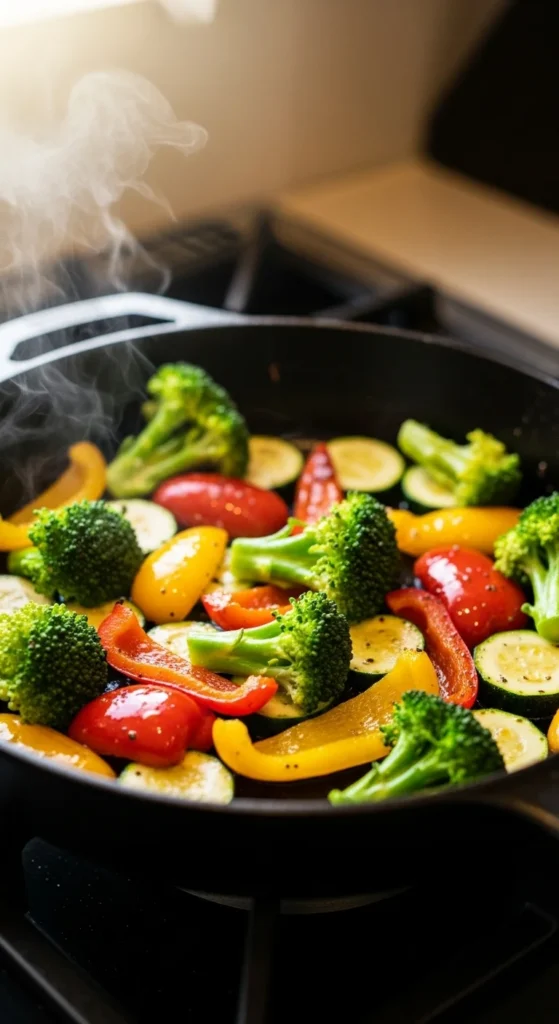
There’s something incredibly satisfying about a pan of perfectly sautéed vegetables—vibrant, flavorful, and just the right mix of tender and crisp. Whether you’re serving them as a side, tossing them into pasta, or layering them over rice, mastering the art of sautéing can take your everyday cooking from simple to sensational. Let’s break down the secret to getting that perfect balance of flavor, texture, and color every single time.
Choose the Right Vegetables
The first step to great sautéed veggies is picking the right mix. Some vegetables cook quickly, while others take longer, so it’s important to match your selections for even cooking.
- Quick-cooking veggies: zucchini, bell peppers, mushrooms, spinach, asparagus
- Medium-cooking veggies: broccoli, green beans, carrots, onions
- Slow-cooking veggies: potatoes, sweet potatoes, cauliflower
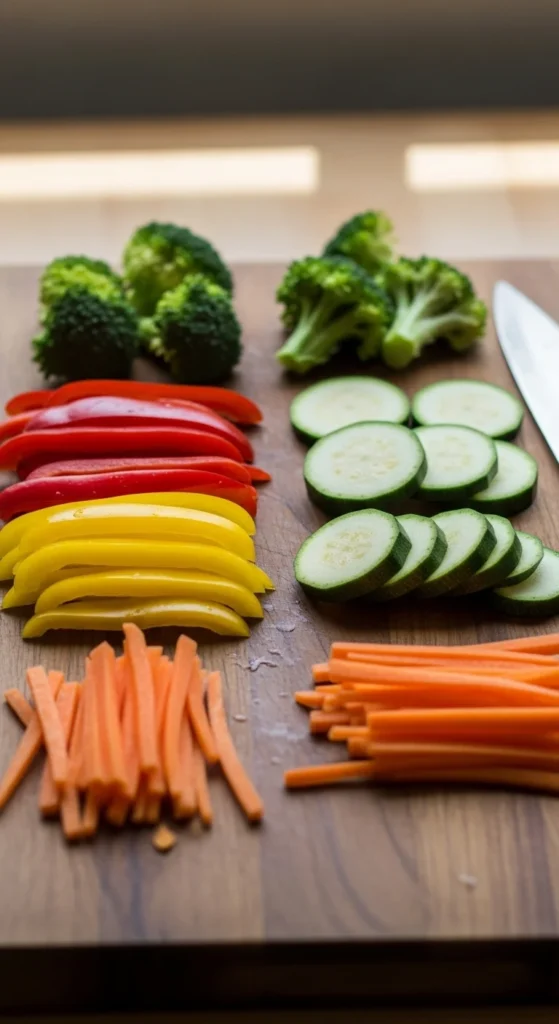
[Image Prompt] A wooden cutting board with neatly sliced colorful vegetables — red and yellow bell peppers, broccoli florets, zucchini rounds, and thin carrot strips under soft natural light.
Prep Like a Pro
Preparation makes or breaks a sauté. Uniform size and moisture control are key.
- Cut evenly: Slice or chop vegetables into uniform pieces so they cook evenly.
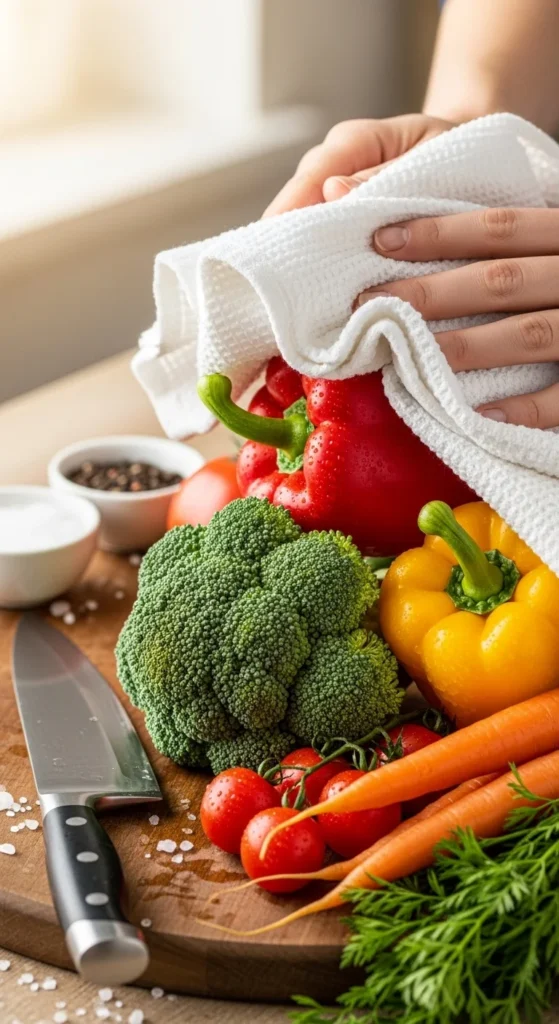
- Dry thoroughly: Pat your veggies dry after washing. Too much moisture causes steaming instead of sautéing.
- Season smartly: Lightly salt your veggies before cooking to draw out flavor and moisture.
Pro Tip: Want extra flavor? Marinate your vegetables in olive oil, garlic, and herbs for 15 minutes before cooking. It infuses taste and gives a golden crust once they hit the pan.
Choose the Right Pan and Heat
Sautéing is all about quick, high-heat cooking. For that, your equipment and temperature matter more than you think.
- Use a wide, heavy pan: Cast iron or stainless steel works best for even heat distribution.
- Preheat first: Add oil only after the pan is hot—this prevents sticking and gives that perfect sear.
- Don’t overcrowd: Too many vegetables in one pan trap steam and make them soggy.
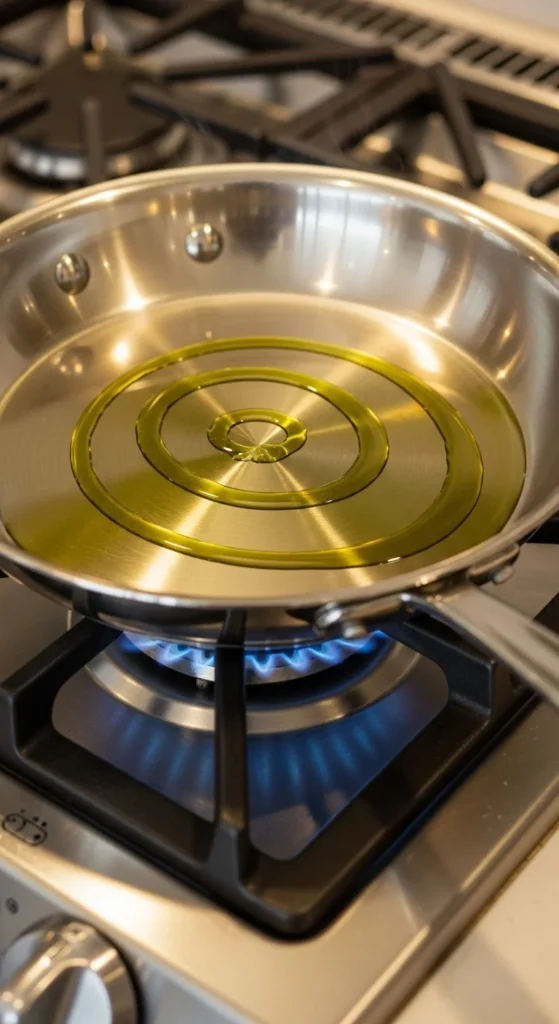
Oil Choices: Go with olive oil, avocado oil, or vegetable oil. These have higher smoke points and enhance the vegetables’ natural sweetness.
The Step-by-Step Sauté Technique
- Heat your pan over medium-high heat until it’s hot.
- Add oil—just enough to coat the bottom lightly.
- Add aromatics (optional): Garlic, onions, or shallots can go first for extra flavor.
- Add vegetables: Start with the ones that take longer to cook.
- Stir occasionally: Toss gently every 30–60 seconds for even browning.
- Season midway: Salt, pepper, and any dried herbs can go in halfway through.
- Finish strong: Add a splash of lemon juice or sprinkle of fresh herbs before serving.
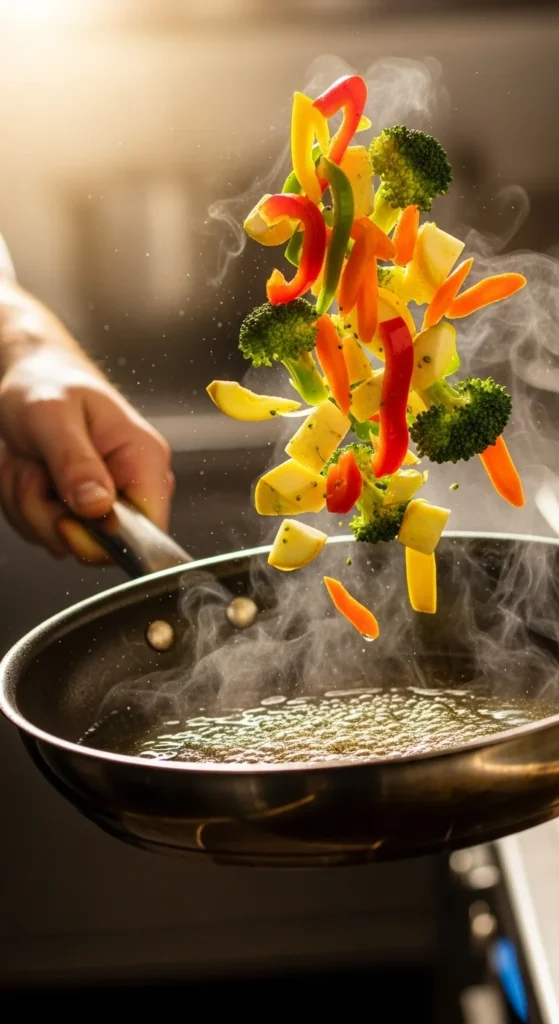
Timing Example:
- Dense veggies like carrots and broccoli: 8–10 minutes
- Softer veggies like mushrooms or zucchini: 5–7 minutes
- Leafy greens like spinach: 2–3 minutes
Flavor Boosting Add-Ins
Once your vegetables are nearly done, that’s your cue to layer in more flavor:
- Garlic or ginger: Add near the end to prevent burning.
- Fresh herbs: Parsley, thyme, or cilantro add brightness.
- Citrus zest or juice: A squeeze of lemon or lime adds a fresh kick.
- Soy sauce or balsamic glaze: For a hint of depth and color.
- Toasted nuts or seeds: Sprinkle sesame seeds, almonds, or sunflower seeds for texture.
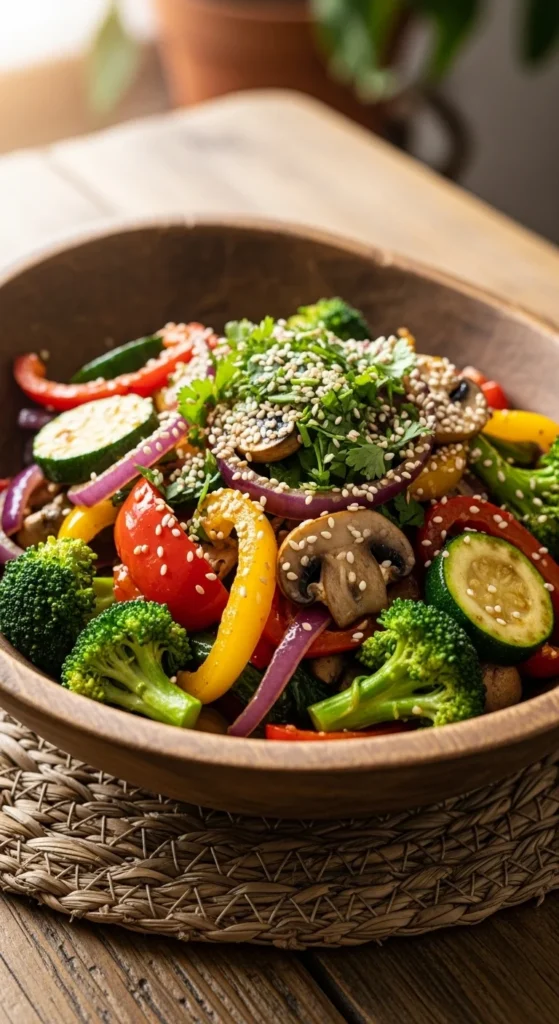
Flavor balance tip: Keep your seasoning light during cooking—you can always add more later, but you can’t take it away once it’s in.
Serving and Pairing Ideas
Your sautéed vegetables can shine in so many ways:
- Serve alongside grilled chicken, fish, or tofu.
- Toss into pasta or grain bowls for a colorful boost.
- Layer on top of toast or flatbread with hummus or cheese.
- Mix with quinoa, lentils, or rice for a hearty meal.
Want to keep things interesting? Try different spice profiles:
- Mediterranean: Olive oil, oregano, and lemon
- Asian-inspired: Sesame oil, soy sauce, and ginger
- Southwestern: Chili flakes, cumin, and lime
The Secret to Perfect Texture
The secret lies in contrast—tender on the inside and slightly crisp on the edges. Here’s how to nail it:
- High heat, short time: Keeps the texture crisp and colors bright.
- Avoid over-stirring: Let them sit long enough to develop a light golden edge.
- Finish with heat off: Once veggies are just tender, turn off the heat—carryover cooking will do the rest.
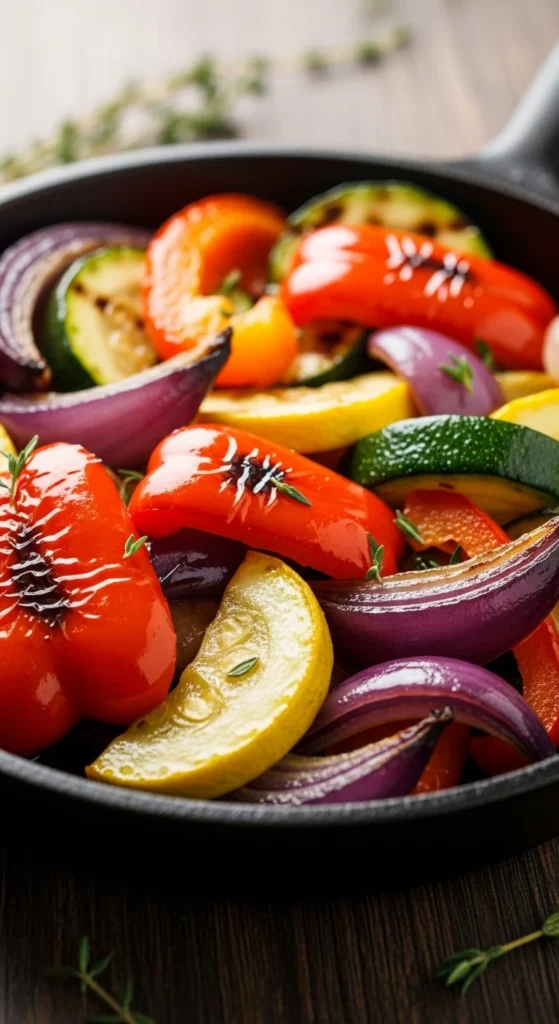
Final Takeaway
Sautéing vegetables is quick, simple, and endlessly versatile. With the right heat, timing, and seasoning, you can turn basic produce into something truly special. Once you get the technique down, you’ll never settle for bland or mushy veggies again.
Save this recipe for later and start experimenting with your favorite combinations—your skillet is your best tool for building flavor and color that brings every meal to life!

Leave a Reply