

There’s nothing sadder than a dry, crumbly breakfast muffin—especially when you’re dreaming of something tender, fluffy, and bakery-style. The good news? Soft and moist muffins aren’t a mystery or a lucky accident. They’re the result of a few smart ingredient choices and simple techniques anyone can master at home.
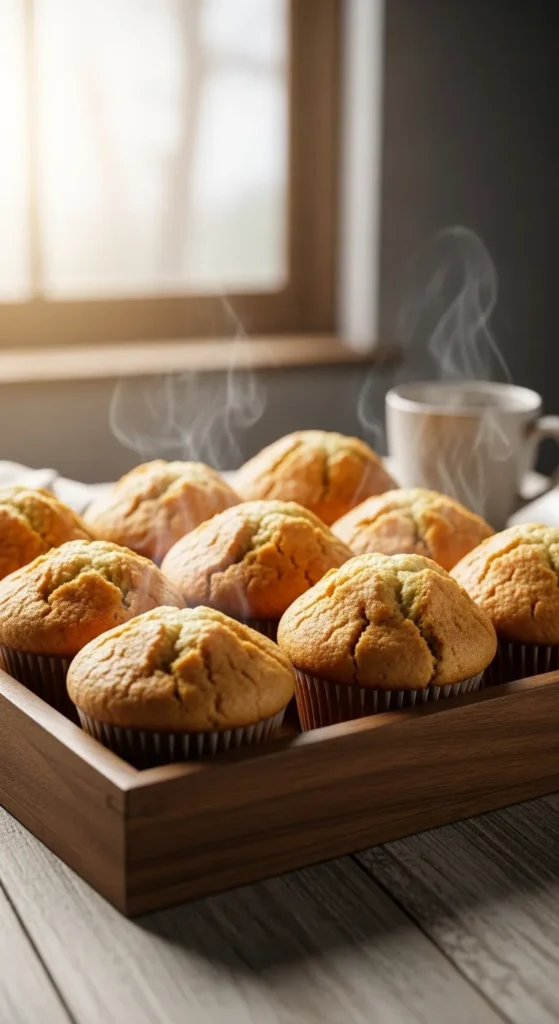
Whether you’re baking for busy mornings, meal prep, or a cozy weekend treat, this guide breaks down exactly how to get that perfect soft bite every single time.
Start With the Right Ingredients
Moist muffins begin before you even turn on the oven. The ingredients you choose matter more than you might think.
Use Fats That Lock In Moisture
Fats coat flour proteins and limit gluten formation, which keeps muffins tender instead of tough.
Good options include:
- Neutral oils (like vegetable or sunflower oil)
- Melted butter for flavor balance
- Full-fat dairy alternatives for richness
Oil tends to produce the softest texture, while butter adds structure and flavor. Many bakers use a mix of both.

Choose Moisture-Boosting Liquids
Liquids hydrate the batter and activate leavening. For soft muffins, avoid using only water.
Better choices:
- Milk or dairy alternatives
- Yogurt or sour cream
- Mashed fruits like banana or applesauce
These ingredients add moisture and tenderness without making the muffins heavy.
Measure Carefully (Yes, It Matters)
Dry muffins are often the result of too much flour. Scooping directly from the bag packs flour tightly, which throws off the recipe.
Do this instead:
- Spoon flour into your measuring cup
- Level it gently with a knife
- Avoid tapping or shaking the cup
This small step alone can dramatically improve muffin texture.
Don’t Overmix the Batter
Overmixing is the fastest way to ruin soft muffins. Once liquid hits flour, gluten begins forming—and too much mixing makes muffins dense.
The Golden Rule
Mix just until combined. A few lumps in the batter are not a problem—they’re actually a good sign.
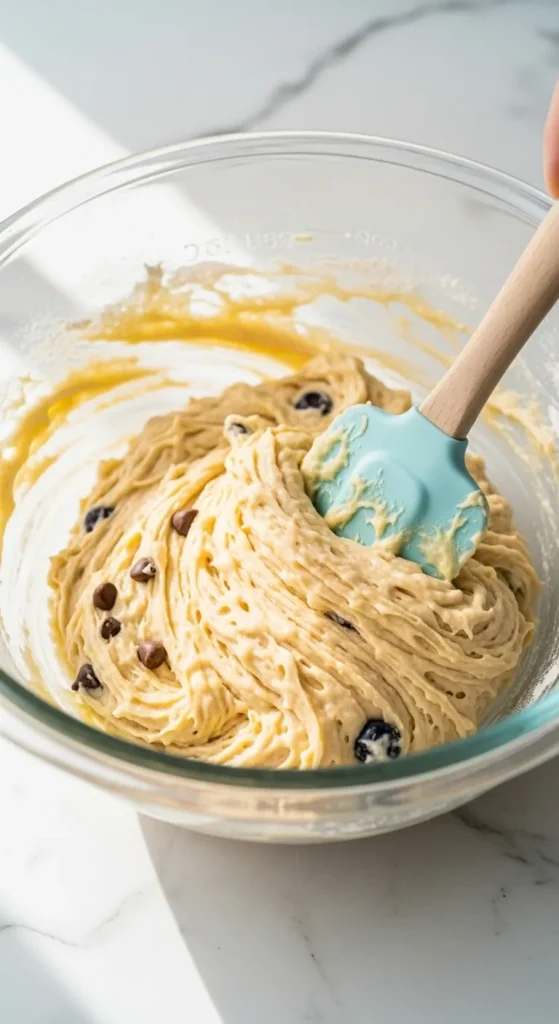
Helpful tips:
- Use a spatula instead of a mixer
- Stir in dry ingredients last
- Stop mixing as soon as no dry flour is visible
Use the Right Baking Temperature
Temperature controls how muffins rise and set. Too low, and they dry out before fully baking. Too high, and the outside sets before the inside is done.
Best Practice
- Preheat your oven fully
- Bake muffins at a moderate temperature (around 350°F / 175°C)
- Avoid opening the oven door early
Consistent heat allows muffins to rise evenly while staying soft inside.
Fill Muffin Cups Properly
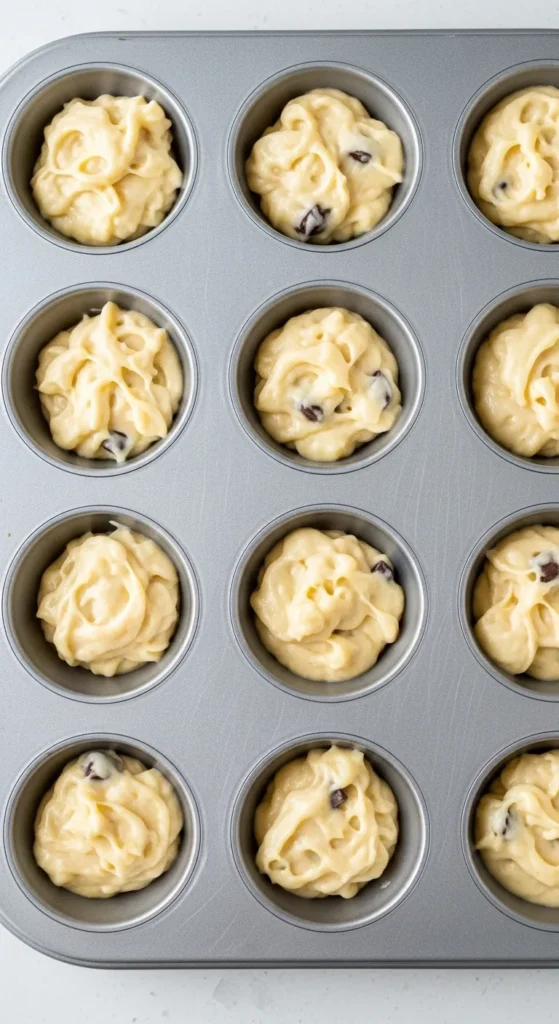
Underfilled muffin cups bake too quickly and lose moisture. Overfilled cups can spill and bake unevenly.
Sweet spot:
Fill each muffin cup about ¾ full. This gives muffins room to rise while keeping their centers tender.
Add Moisture-Rich Mix-Ins
Mix-ins aren’t just for flavor—they can help retain moisture.
Great options include:
- Fresh or frozen fruits
- Shredded vegetables
- Nut butters or seed spreads
- Soft grains like cooked oats
These ingredients release moisture as the muffins bake, preventing dryness.
Watch the Baking Time Closely
Overbaking is a common mistake, even by a few minutes.
How to Tell They’re Done
- Tops should spring back lightly when touched
- A toothpick inserted should come out with a few soft crumbs
- Edges should look set but not dark
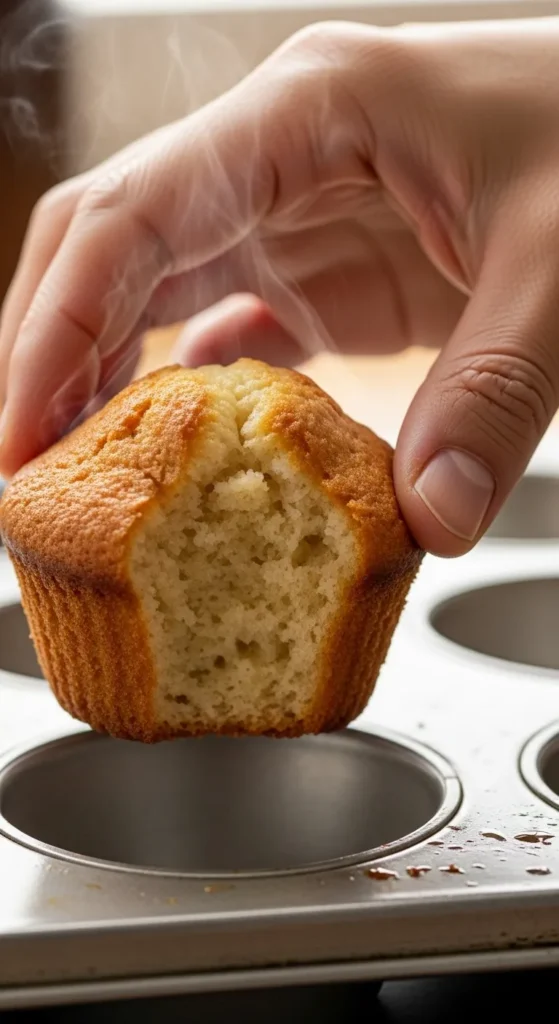
Remove muffins as soon as they’re done and let them cool briefly in the pan before transferring to a rack.
Store Muffins the Right Way
Even perfectly baked muffins can dry out if stored incorrectly.
For best results:
- Let muffins cool completely
- Store in an airtight container
- Line the container with a paper towel to absorb excess moisture
- Keep at room temperature for short storage
Avoid refrigerating unless absolutely necessary—it often dries baked goods faster.
Final Takeaway
Soft, moist breakfast muffins aren’t about fancy tools or complicated steps. They’re about smart ingredient choices, gentle mixing, and careful baking. Once you master these basics, every batch will come out tender, fluffy, and satisfying.
Save this guide for your next baking day—and enjoy mornings made better with muffins that actually stay soft.

Leave a Reply