

There’s something deeply comforting about starting the day with eggs that are soft, airy, and melt-in-your-mouth fluffy. Whether you love scrambled eggs, omelets, or baked egg dishes, texture makes all the difference. Heavy, rubbery eggs can ruin breakfast fast—but light and fluffy eggs feel like a small luxury you can enjoy any morning.
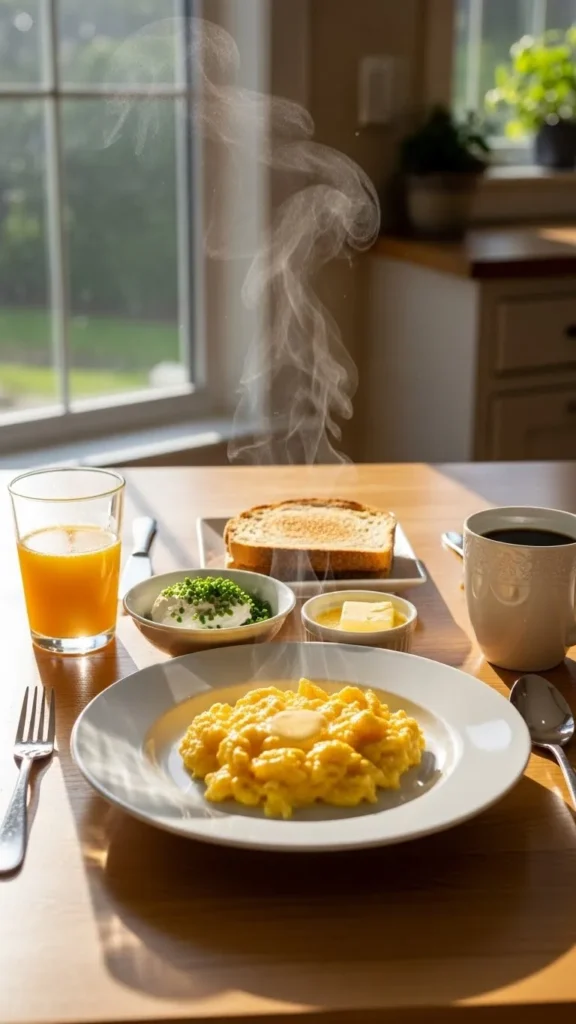
The good news? You don’t need fancy tools or chef-level skills. With a few simple techniques and mindset shifts, you can transform everyday eggs into something truly special.
Start With the Right Eggs (It Matters More Than You Think)
Before you even turn on the stove, the foundation of fluffy eggs begins with quality and temperature.
What to do first:
- Use fresh eggs whenever possible
- Let eggs sit at room temperature for 5–10 minutes before cooking
- Crack eggs into a bowl instead of directly into the pan
Room-temperature eggs blend more smoothly and cook more evenly, which helps trap air and create that soft, pillowy texture.
Whisk Like You Mean It
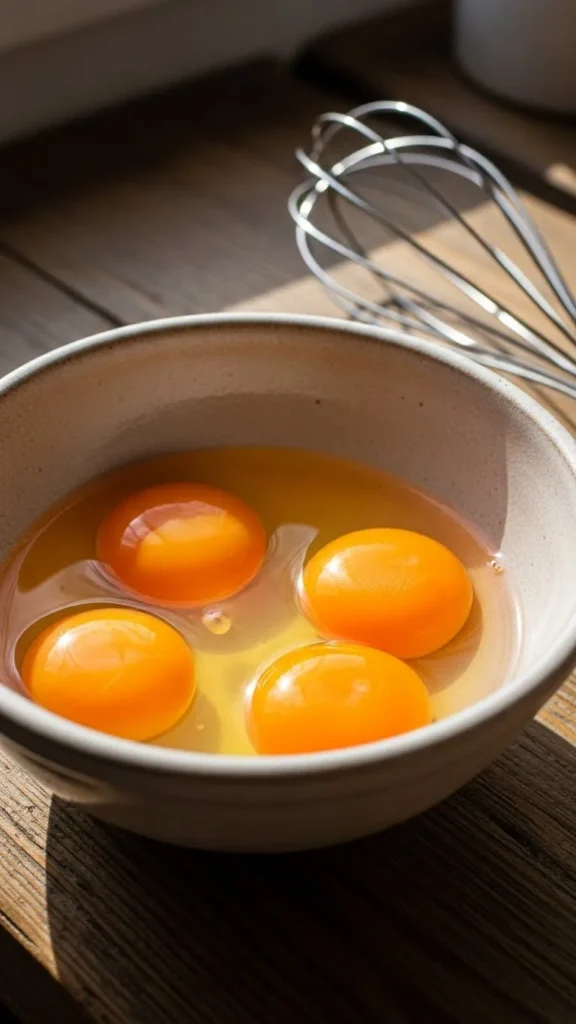
One of the biggest secrets to fluffy egg breakfast recipes is air—and whisking is how you get it.
For light and airy eggs:
- Whisk until yolks and whites are fully combined
- Aim for a slightly foamy surface
- Use a fork for gentle fluffiness or a whisk for maximum air
Don’t rush this step. An extra 20–30 seconds of whisking makes a noticeable difference.
Optional add-ins for softness:
- A splash of milk or cream
- A spoon of plain yogurt
- A little melted butter mixed in before cooking
These help keep eggs tender without weighing them down.
Choose the Right Pan and Heat Level
High heat is the enemy of fluffy eggs. It cooks them too fast and forces out moisture.
Best practices:
- Use a nonstick or well-seasoned pan
- Heat the pan on low to medium-low
- Add fat (butter or oil) only after the pan warms slightly
Low and slow cooking allows eggs to set gently, creating soft curds instead of dry chunks.
Master the Gentle Cooking Technique
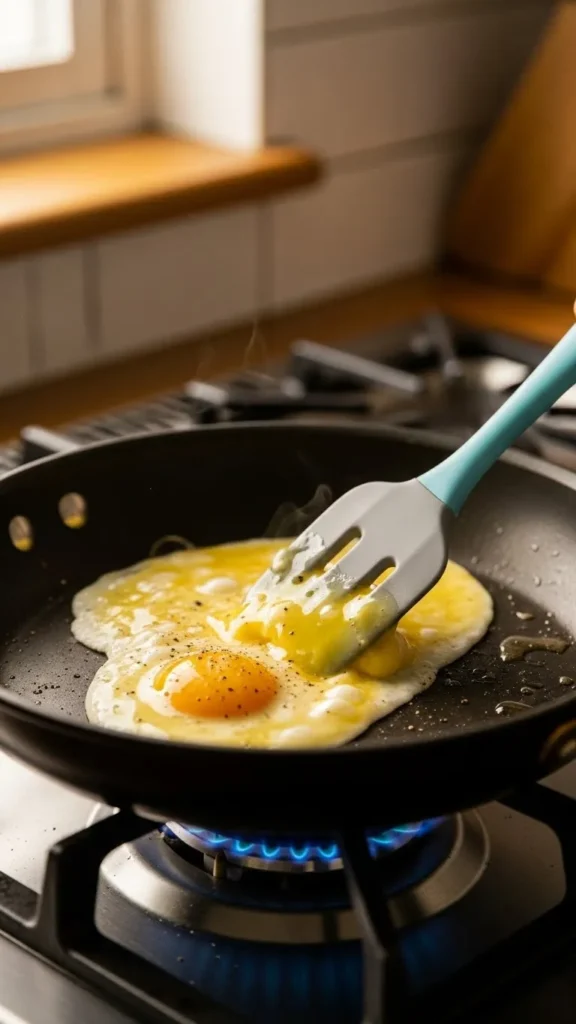
How you move the eggs matters just as much as heat.
For Scrambled Eggs
- Pour eggs into the pan and wait a few seconds
- Gently push eggs from the edges toward the center
- Use slow, sweeping motions instead of constant stirring
Stop cooking when eggs still look slightly glossy—they’ll finish setting from residual heat.
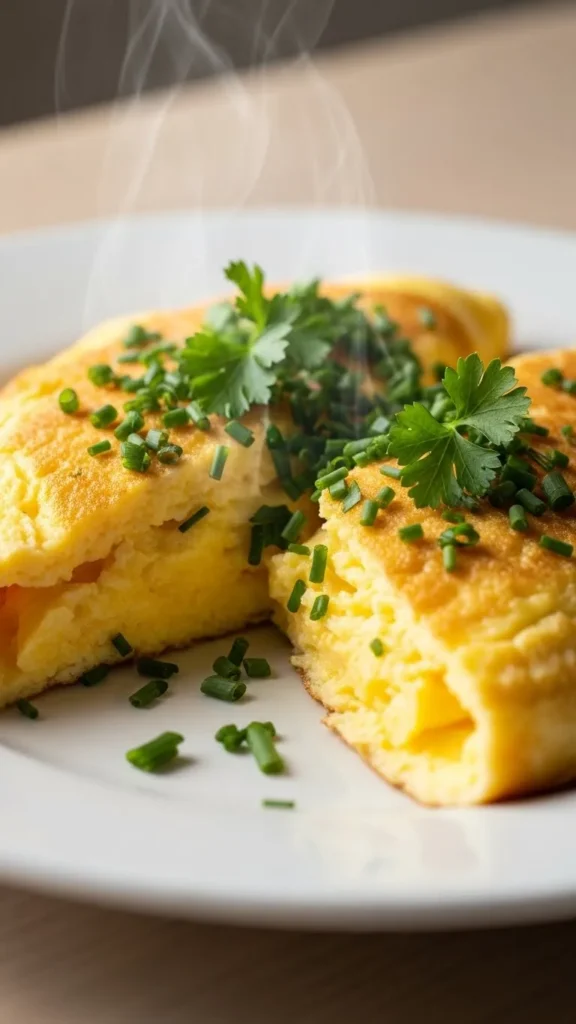
For Omelets
- Let eggs set undisturbed at first
- Lift edges slightly to let uncooked egg flow underneath
- Fold gently once just set, never overcook
Patience is what turns basic eggs into fluffy perfection.
Don’t Overload With Fillings
It’s tempting to add everything at once, but too many mix-ins can flatten eggs.
Keep fillings light and balanced:
- Soft vegetables (spinach, mushrooms, tomatoes)
- Mild cheese, grated finely
- Fresh herbs added at the end
Cook watery vegetables separately first so they don’t release moisture into the eggs.
Finish With Smart Timing and Seasoning
Seasoning eggs too early can sometimes draw out moisture. For the best texture:
- Lightly season just before or near the end of cooking
- Taste and adjust once plated
Finish eggs immediately and serve right away—fluffy eggs wait for no one.
Extra finishing touches:
- Fresh herbs
- A small pat of butter on top
- A sprinkle of pepper or mild spice
Try Fluffy Egg Variations for Busy Mornings
If stovetop cooking isn’t your thing every day, these methods still deliver light results:
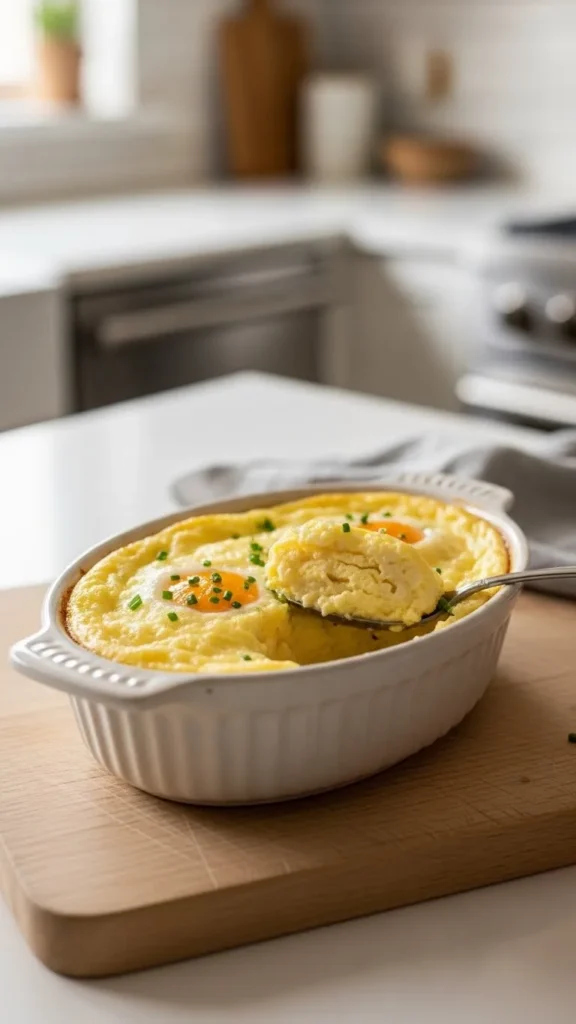
Baked eggs
- Whisk well
- Bake at a moderate temperature
- Cover loosely to trap steam
Steamed eggs
- Cook gently over simmering water
- Creates an ultra-soft, custardy texture
Microwave eggs (done right)
- Use short bursts
- Stir between intervals
- Stop before fully set
The Takeaway
Fluffy egg breakfast recipes aren’t about complicated steps—they’re about gentle heat, air, and patience. When you slow down just a little and treat eggs with care, they reward you with a breakfast that feels comforting, light, and satisfying every single time.
Save this guide for your next morning craving and turn everyday eggs into something you truly look forward to.

Leave a Reply